LabCom Starlight+
PIs: Giorgio Santarelli (LP2N), Nick Traynor (TOPTICA).
Associated permanent members: Germain Guiraud (TOPTICA), Kentin Poncelet (LP2N).
The Starlight+ Joint Laboratory brings together the expertise of TOPTICA Photonics SAS in high-performance fiber lasers and the Photonic Systems group at LP2N in laser physics, low-noise optoelectronics and advanced metrology.
Its research focuses on high-power, ultra-low-noise laser sources, fiber amplification, nonlinear frequency conversion and precision noise control, with applications ranging from advanced photonics to quantum technologies.
Starlight+ combines fundamental research, advanced metrology and industrial development to enable new generations of robust high-performance laser systems.
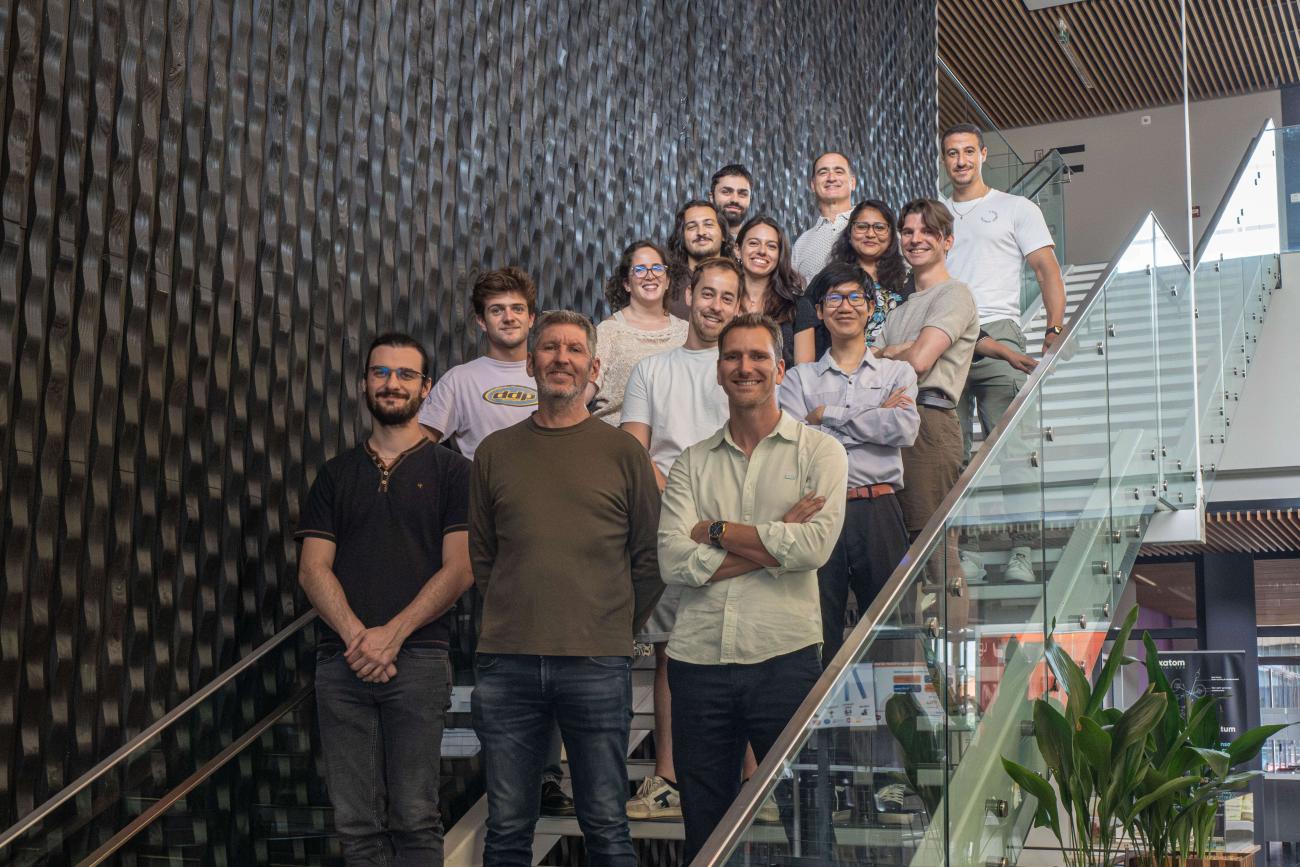
Graduate students&Postdocs&Engineers: Coline Lavit (LP2N), Peyo Planche (TOPTICA), Thomas Dubé (LP2N), Thomas Chembero (LP2N), William Vaillant (LP2N).
Presentation
Starlight+ was created in late 2014 following its selection by the ANR LabCom programme and started its activities in 2015. After the initial three-year phase, the joint laboratory was selected in 2017 for the ANR LabCom Consolidation programme, establishing the collaboration on a long-term basis.
More than ten years later, Starlight+ has developed into a lasting partnership between LP2N and TOPTICA Photonics SAS, combining academic research and industrial expertise in high-power, low-noise laser technologies.
The LabCom benefits from the strong photonics and quantum ecosystem of the Nouvelle-Aquitaine Region, including NAQUIDIS - Nouvelle-Aquitaine Quantum Disruptive Center, now continued through the NAQUIDIS+ initiative. It also benefits from the close proximity of major regional actors such as ALPhANOV, the optics and laser technology centre, and the ALPHA-RLH competitiveness cluster.
This particularly rich environment promotes strong interactions between advanced laser research, quantum technologies and industrial applications.


Road Map
High-power, low-noise laser sources are key enabling technologies for quantum technologies, precision metrology and advanced scientific instrumentation. These applications require increasingly demanding combinations of optical power, spectral purity, intensity stability, wavelength flexibility and long-term robustness.
The Starlight+ roadmap aims to push these performances beyond the current state of the art while developing technologies that can be transferred from laboratory demonstrations to robust industrial systems.
The scientific programme is structured around four main research directions:
- High-power, ultra-low-noise fiber lasers and amplifiers
Development of new fiber laser and amplifier architectures, including rare-earth-doped and Raman systems, combining high power, single-frequency operation and extremely low intensity and phase noise over a broad spectral range. - Advanced laser noise metrology and control
Development of measurement techniques and active control strategies for intensity, frequency and phase noise, together with new approaches to laser stabilization, spectral narrowing and frequency agility. - New wavelengths through nonlinear photonics
Development of efficient nonlinear frequency-conversion architectures, including SHG and SFG, to extend high-power low-noise operation from the infrared toward the visible and ultraviolet and to access wavelengths that are difficult to reach directly. - Laser technologies for scalable quantum systems
Development and qualification of robust laser architectures addressing the growing requirements of quantum computing, quantum sensing and precision measurements, with particular emphasis on power scaling, low noise, reliability and integration.
Through these activities, Starlight+ combines fundamental laser physics, advanced metrology and industrial development, with the objective of transforming new concepts into scalable laser technologies for the next generation of scientific and quantum systems.
Highlights
On September 9th, Thomas Chembero successfully defended his Master’s thesis on low-noise Brillouin lasers for quantum applications. He has now joined the LabCom team as a research engineer.
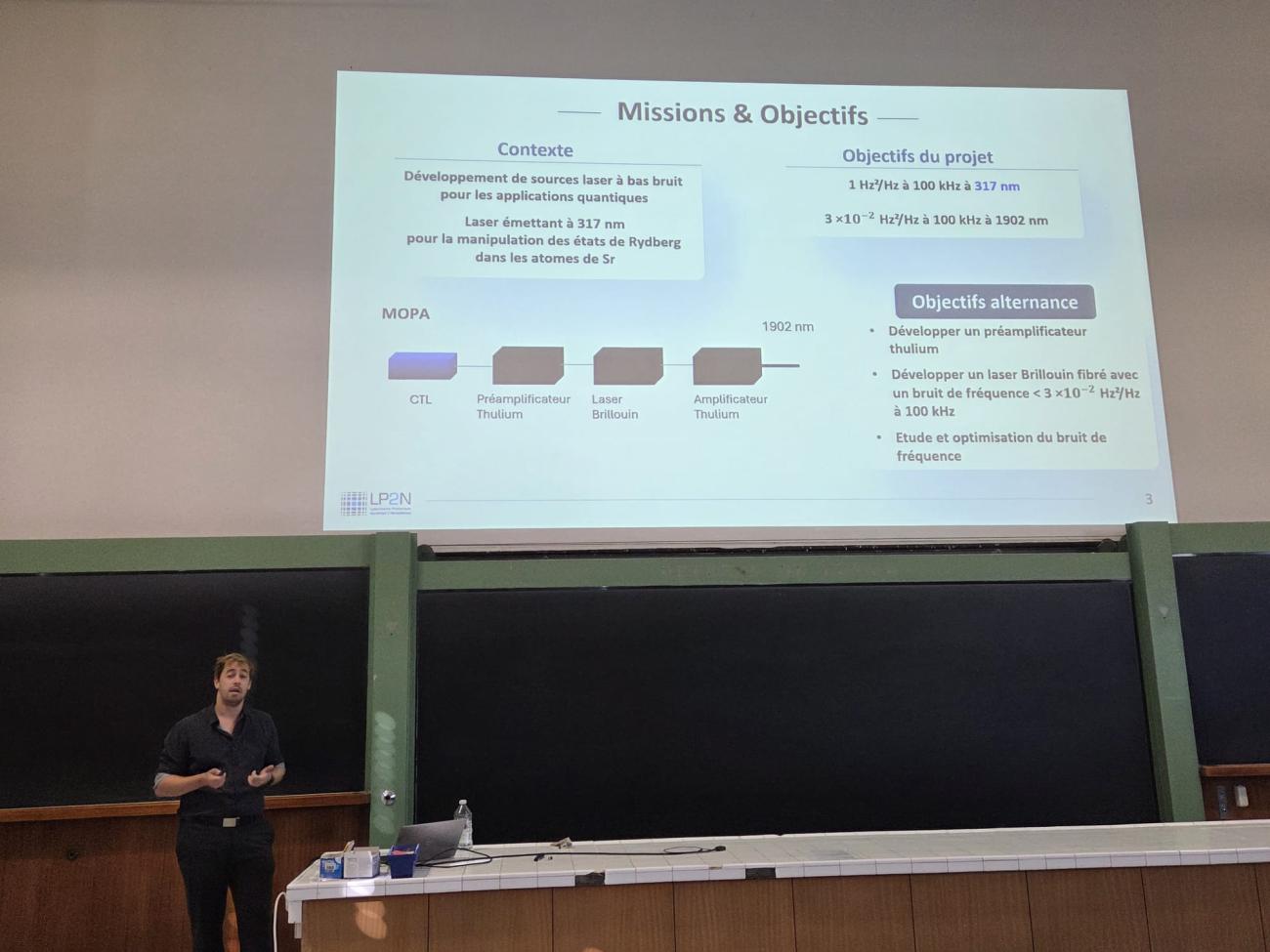
On June 11th, Kentin Poncelet successfully defended his PhD thesis on high-power fiber lasers for quantum applications. He has now joined the LabCom team as a postdoctoral researcher.
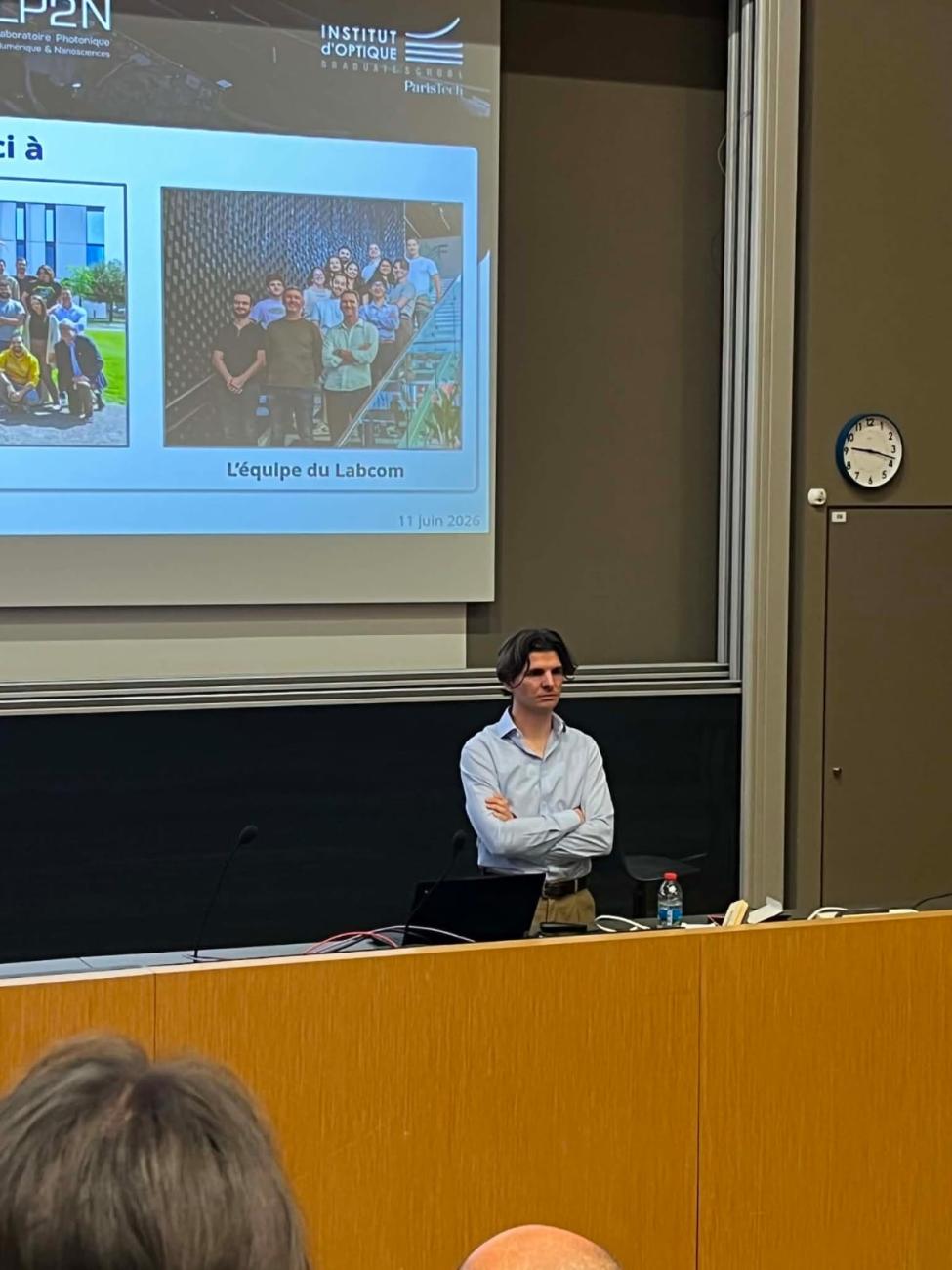
May 2026. The LabCom has demonstrated a 30 W low noise high power laser tunable laser (1730-1760nm) based on Thulium doped fiber (Poncelet et al. 10.1364/OL.597210) and an high-power, 420-nm, low-intensity-noise laser source for quantum computing applications (Dubé et al. 10.1364/OL.596001)
From December the 1th 2025 William Vaillant has joined the LabCom Team as research engineer in high power fiber laser development for quantum applications.
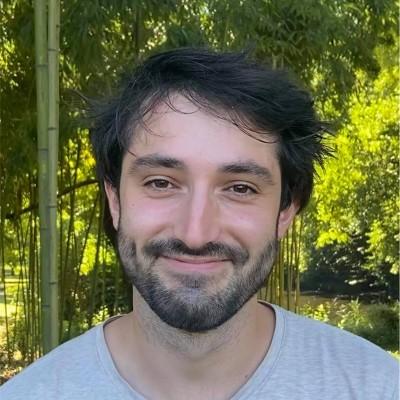
August 2025. The LabCom has demonstrated a Continuous wave tunable laser red orange laser based of frequency generation (R . Gu et al, 10.1364/OE.569986)
July 2025. The LabCom has demonstrated a 50 W low noise high power laser operating @1844nm based on Thulium doped fibers (K . Poncelet et al, 10.1364/OE.565573)
On July 3rd, 2025, we celebrated the 10th anniversary of the Starlight+ LabCom with a short symposium. The program included a visit to the LabCom facilities, followed by institutional presentations by Ch. Salomon, Chairman of the Board of Directors of IOGS; M. Faure, Head of Industry Relations and Joint Laboratories at CNRS; E. Duget, Vice President for Innovation at the University of Bordeaux; and N. Traynor, President of TOPTICA France. A brief history of the LabCom was presented by G. Santarelli. The event also featured a scientific session chaired by P. Giat, Head of the CIFRE Program at ANRT, with talks by former and current Ph.D. fellows of the LabCom G. Guirand, C. Dixneuf, and K. Poncelet and concluded with a special presentation by W. Kaenders, Founder and President of TOPTICA.



From June the 1th 2025 Peyo Planche has joined the LabCom Team as PhD student in low noise Raman amplifiers for quantum applications in collaboration with TOPTICA PROJECTS.
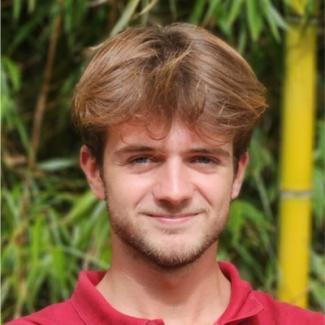
From September the 1th 2024 Dr. Thomas Dubé has joined the LabCom Team as Post Doctoral fellow in high power fiber laser development for quantum applications.
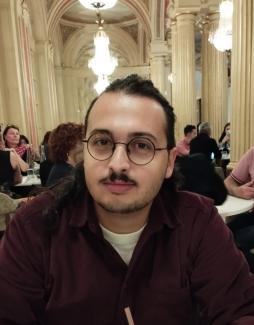
From September the 1th 2024 Dr. Roopa Prakash has joined the LabCom Team as Post Doctoral fellow in the framework of a Marie Curie Individual Fellowship in high power fiber laser development.

From January the 1th 2024 Coline Lavit has joined the LabCom Team as research engineer in high power fiber laser development for quantum applications.

December 2023. The LabCom Team has demonstrated a low noise Neodymium laser-pumped Brillouin operating around 920nm (R. Prakash and al, 10.1364/OE.506410)
November 2023. Nick Traynor and Giorgio Santarelli represent Starlight+ at the event 10 years of LabComs organized by the ANR and located at Maison de la Chimie in Paris in Evenement Labcom 10 ans.

From June the 1th 2023 Dr. Ruizhe Gu has joined the LabCom Team after completion of a Ph.D in ultrafast acoustic phonon pump probe spectroscopy at Université of Le Mans.

June 2023. We are enthusiasts to communicate that the Germany-based laser manufacturer TOPTICA Photonics AG has finalized the aquisition of the majority of the shares of our partner Azurlight Systems. Azurlight will continue and further foster its fiber laser business under the new name TOPTICA Photonics SAS.Toptica completes the-acquisition of Azurlight systems

LabCom snapshots
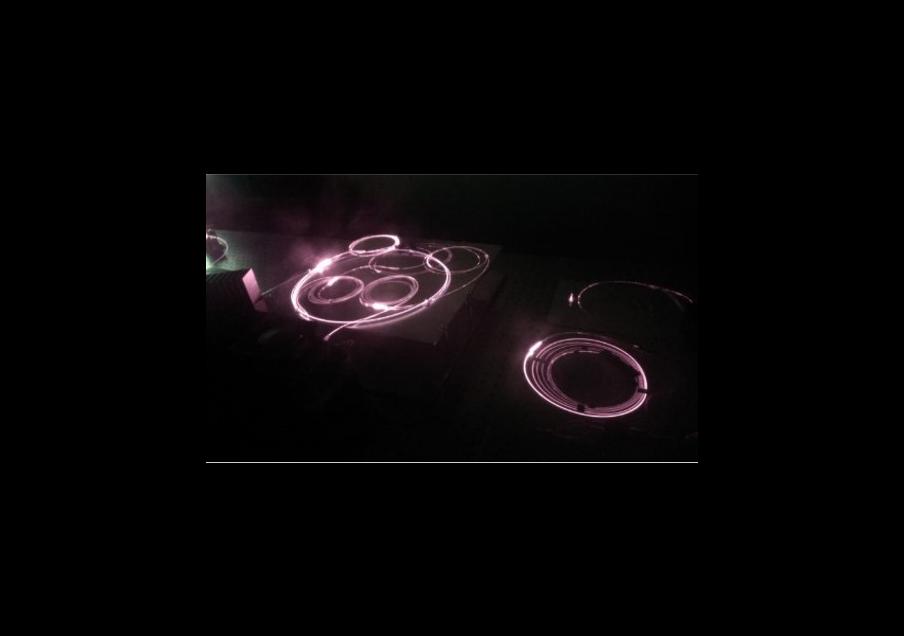
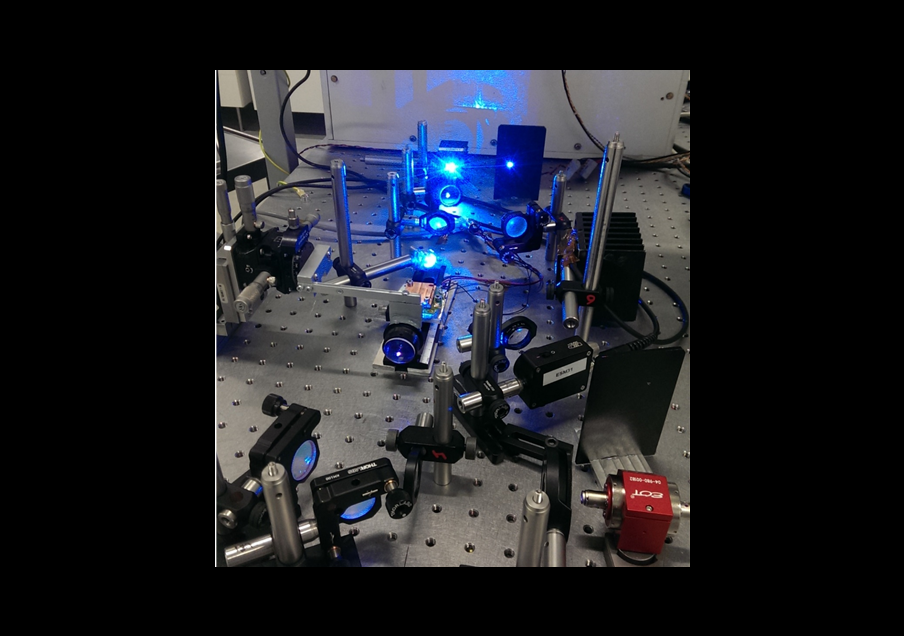
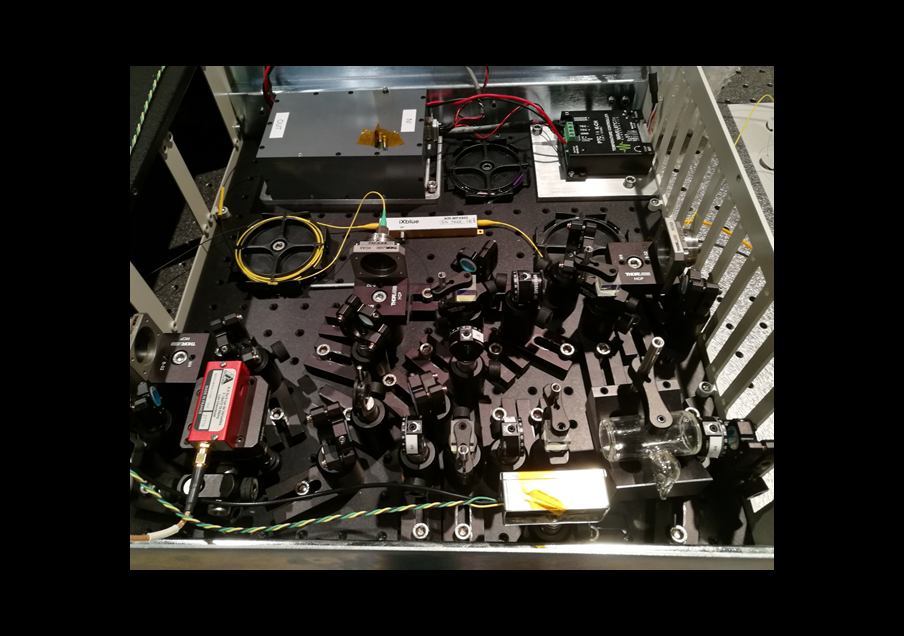
 Plein écran
Alumni
J. Zhao (Huazhong University of Science and Technology, Wuhan, China)
L. Antoni-Micollier (Exail, Gradignan, France)
B. Gouhier (WATTALPS, Moirans, France)
F. Floissat (Toptica Photonics, Pessac, France)
S. Rota-Rodrigo (ITI Co., Ltd., Seul, Republic of Korea)
C. Dixneuf (Toptica Photonics, Pessac, France)
D. Darwich (Toptica Photonics, Pessac, France)
E. Szmygel (Bloom Lasers, Pessac, France)
R. Gu
R. Prakash